
Concrete maintenance is easy to postpone until someone complains.
A resident reports a trip hazard. A school pathway becomes slippery after rain. A shopping plaza’s entry starts to look tired. A carpark section cracks again after being patched. A public-space surface becomes uneven, stained or unsafe.
By that stage, the work often feels urgent.
But the best concrete maintenance is planned before it becomes an emergency.
OSM Concrete works across commercial concrete, civil concrete, strata concrete maintenance, council and infrastructure projects, theme park environments, public spaces and larger residential concrete projects on the Gold Coast.
This playbook explains how property managers, body corporate committees, school managers, facility managers and commercial operators can make better decisions about concrete repair, resurfacing and replacement.
Why concrete maintenance matters more than people think
Concrete is part of how a site functions. It affects safety, access, presentation, drainage, cleaning, traffic flow and public perception.
In a strata complex, concrete affects residents and visitors alike. For a school, it affects students, parents and staff. For a plaza, it affects customers and tenants. For a public space or theme park, it affects large volumes of people moving through the site every day.
Concrete is not just a surface
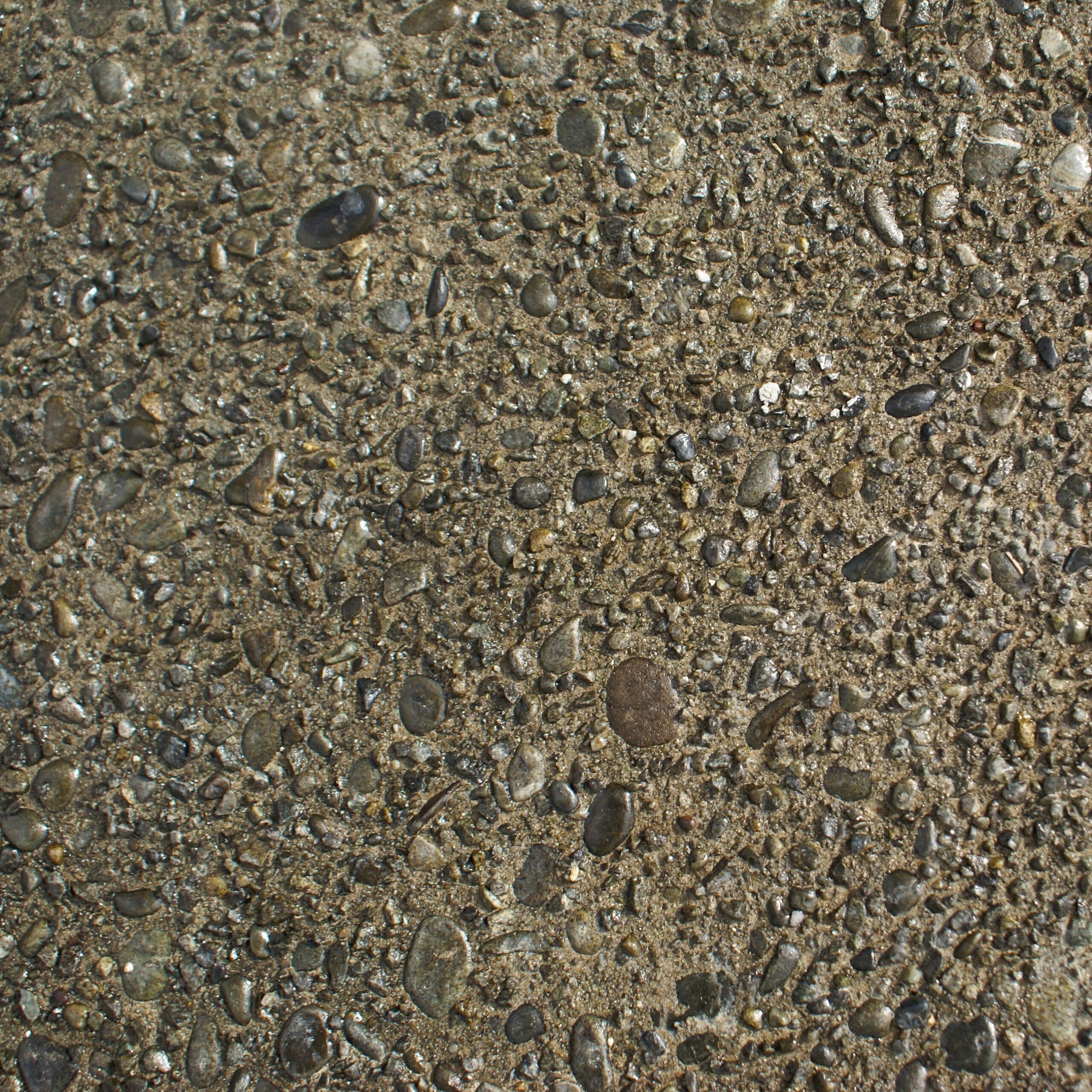
A cracked or worn area might look like a cosmetic issue, but it can also indicate drainage failure, base movement, heavy traffic, poor joint planning, or an old slab that no longer suits the site.
That is why maintenance should not start with the question, “How do we patch this?”
It should start with, “Why did this happen, and what is the best way to stop it becoming a bigger problem?”
The first priority: Safety
Safety issues should always be assessed first.
Trip hazards, raised edges, slippery surfaces, broken ramps, cracked pedestrian areas, and unstable stairs can pose a risk to residents, customers, students, staff, and the public.
This is especially important in high-use areas such as entries, walkways, pool surrounds, ramps, school paths, carparks, bin areas and public access routes.
Fix the risk before the appearance
A faded concrete surface may look poor, but a trip hazard near an entry is more urgent. A good maintenance plan separates urgent safety issues from cosmetic upgrades. For example, discover the stair project we recently completed on Rutledge Street, Coolangatta.
The second priority: Drainage
Drainage problems often cause concrete problems.
Water that sits on concrete can create slippery areas, staining and surface wear. Water that flows under or beside concrete can contribute to movement, cracking and base failure.
On the Gold Coast, heavy rain can quickly expose poor falls, blocked drainage or low sections of concrete.
If water sits there, the concrete is telling you something
Ponding water is not just inconvenient. It may show that the levels are wrong, the surface has moved, or the surrounding drainage needs attention.
This is especially relevant for strata driveways, school pathways, plaza entries, carparks and public spaces where water can affect many users.
The third priority: Traffic
Concrete maintenance should always take into account the area’s use.
A decorative pedestrian surface does not have the same requirements as a carpark, bin storage area, service vehicle route, school walkway or theme park queue area.
Heavy vehicles, turning tyres, bins, trolleys, pressure cleaning, foot traffic and outdoor exposure all influence how concrete should be repaired, resurfaced or replaced.
Match the solution to the traffic
A surface that is suitable for pedestrians may not be suitable for service vehicles. A finish that looks good at a private home may not be right for a school, plaza or public-space environment.
Repair, resurface or replace?
Concrete maintenance usually comes down to three options.
Repair is best when the issue is localised, and the rest of the slab is sound.
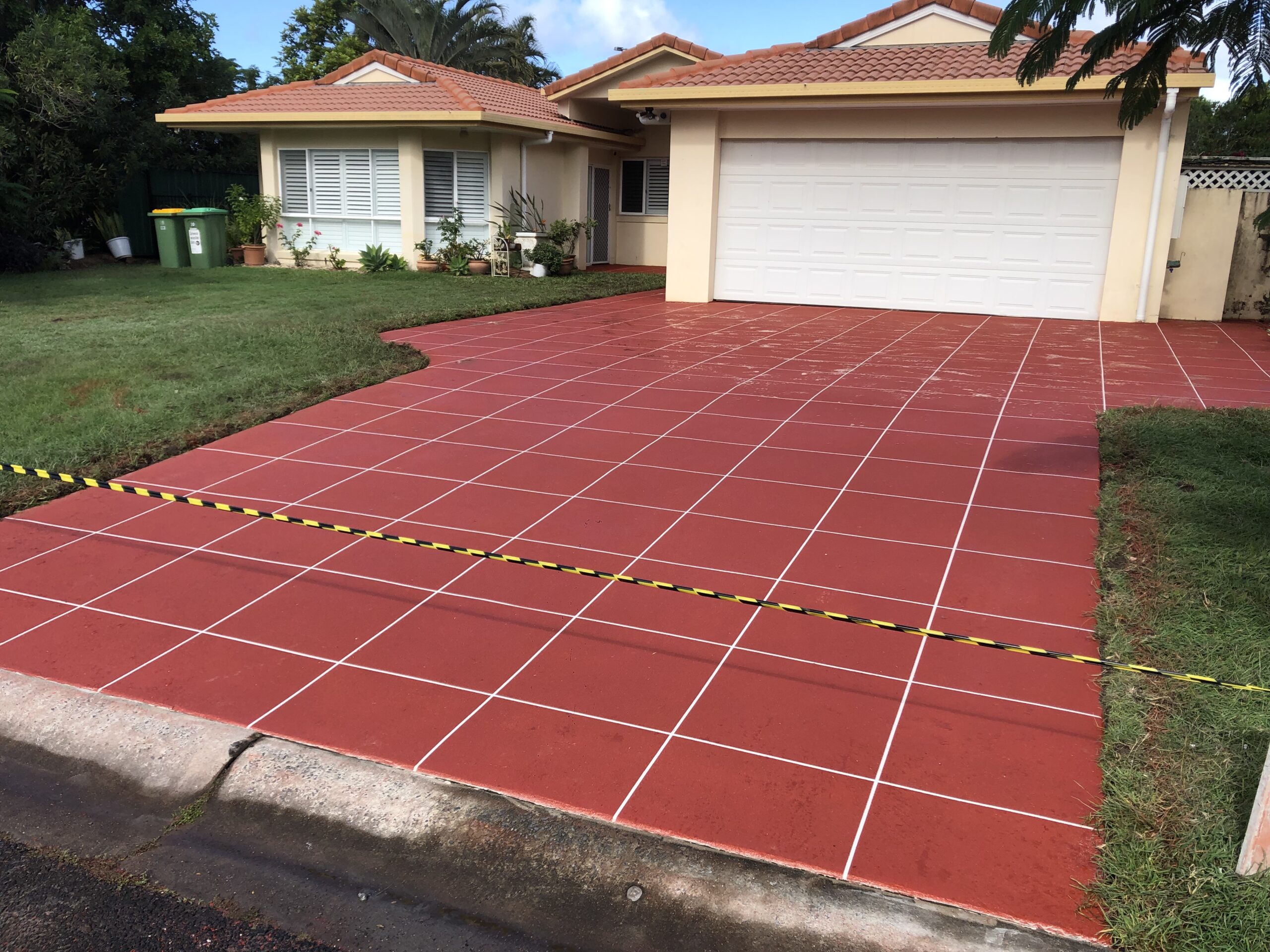
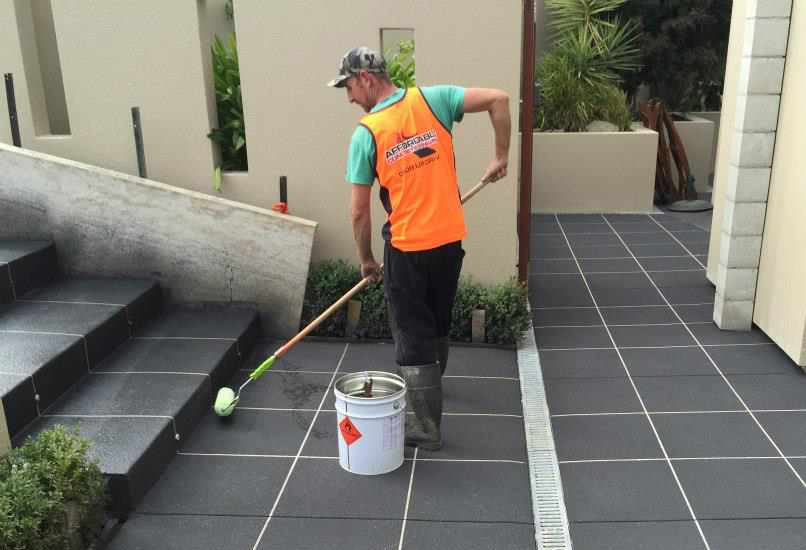
Resurfacing is best when the slab is stable, but the surface is worn, faded, inconsistent, slippery or unattractive.
Replacement is best when the slab has moved, sunk, cracked badly, failed under traffic or has poor drainage.
The right option depends on the cause
If the surface is worn, concrete resurfacing may be ideal. If the slab has failed, replacing the concrete is usually preferable. If the damage is isolated, repair may be enough. The key is diagnosing the cause before choosing the method.
Strata concrete: plan in stages
Strata and body corporate concrete maintenance often needs careful staging because people still need to live, park, walk, receive deliveries and access shared areas while work is being done.
A practical strata maintenance plan should separate the site into zones:
- Urgent safety risks.
- Driveways and vehicle areas.
- Main pedestrian routes.
- Pool and common areas.
- Bin and service zones.
- Lower-priority cosmetic areas.
Make the decision easy for the committee
Committees often need to justify spending. A staged maintenance plan helps separate urgent safety work from future upgrades, making it easier to budget and communicate with residents.
For strata properties in Southport, Surfers Paradise, Labrador, Biggera Waters, Broadbeach, Mermaid Waters and Runaway Bay, staged planning can reduce disruption and make larger works more manageable.
Schools and plazas: keep access practical
Schools and plazas have a different challenge: the site may need to remain usable while work is planned.
A school pathway may need to be completed during a holiday period or staged around access routes. A shopping plaza may need work planned around trading hours, tenants, deliveries and customer movement.
Theme parks and public spaces: durability plus presentation
Theme parks and public spaces place heavy demands on concrete.
The surface needs to be durable, safe, visually consistent and suitable for high foot traffic. It may also need to match a themed environment or public design standard.
These sites often include queue areas, pathways, public entrances, decorative surfaces, stairs, drainage channels, seating zones, and back-of-house access.
Slip resistance should not be an afterthought
For pedestrian areas, ramps, stairs, pool surrounds, school paths and public spaces, the finish should be selected with safety and use in mind.
A surface may look attractive but still be unsuitable for wet or high-traffic conditions. The right finish needs to consider slip resistance, cleaning, drainage and long-term wear. For pedestrian areas, ramps and public spaces, the concrete finish should be chosen with safety in mind, and NATSPEC’s slip-resistance guidance explains why surface selection matters in wet or high-traffic areas.
Real Gold Coast project environments
Concrete maintenance looks different from site to site.
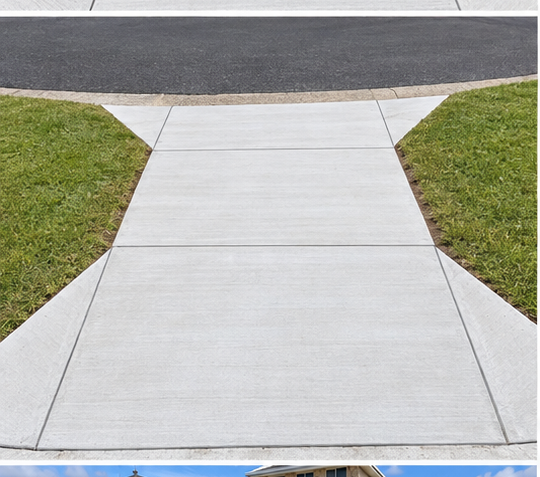
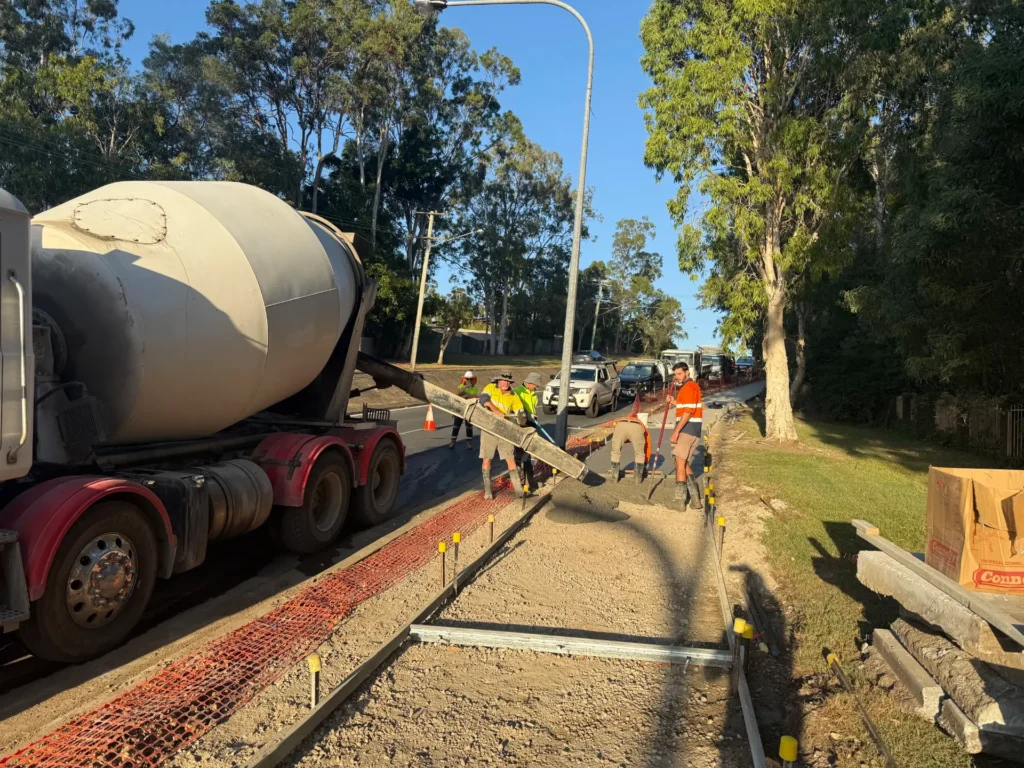
A carpark and pedestrian upgrade in Ashmore needs durable vehicle and foot traffic planning.
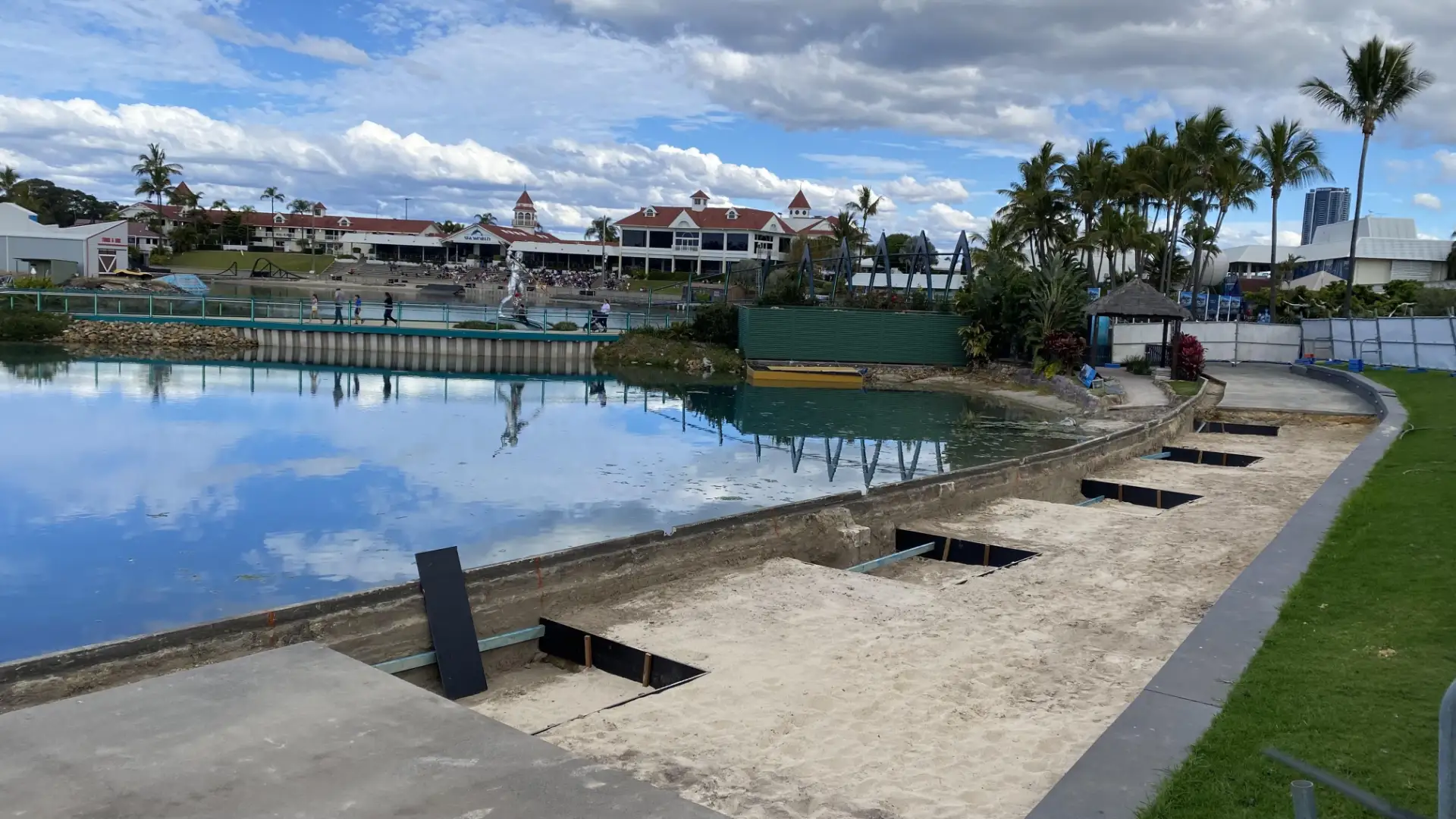
A theme park precinct at Movie World requires concrete that supports public movement, safety, and presentation.
These examples show why commercial and public-space concrete should not be treated like a small domestic patch. The right solution depends on the site, traffic, risk and long-term use.
What to check before calling a concrete contractor
Before requesting a quote, walk the site and take notes.
Look for cracks, height differences, ponding water, slippery sections, repeated repairs, damaged edges, worn surfaces, poor drainage, broken ramps, vehicle damage and areas where people naturally walk or drive.
Why OSM Concrete is suited to this type of work
OSM Concrete is not just focused on small one-off domestic jobs. The team works across commercial concrete, civil concrete, strata maintenance, public spaces, theme parks, infrastructure and larger residential projects.
That matters because these environments often require more than a neat finish. They require planning, staging, understanding of drainage, access management, durable surfaces, and practical communication.
FAQs
How often should strata or commercial concrete be inspected?
High-use concrete should be checked regularly, especially after heavy rain or when cracks, trip hazards, ponding water or surface wear appear.
Is resurfacing suitable for strata complexes?
Yes, if the existing slab is stable. Resurfacing can work well for pathways, entries, pool surrounds, common areas and some driveway surfaces.
When should concrete be replaced instead of repaired?
Replacement is usually better when the slab has sunk, moved, cracked badly, failed under traffic or has drainage problems.
Can concrete work be staged around residents, students or customers?
Yes. Many strata, school, plaza and public-space concrete projects can be staged to reduce disruption.
Does OSM Concrete work on public-space and theme park concrete?
Yes. OSM Concrete works across commercial, civil, strata, council, infrastructure, theme park and public-space concrete projects on the Gold Coast.
Speak with OSM Concrete
If your strata complex, school, plaza, commercial site, or public space has cracked, worn, unsafe, or outdated concrete, OSM Concrete can assess the site and recommend the best repair, resurfacing, or replacement option.