

Exposed Aggregate | Driveways, Paths & Pool Surrounds | Gold Coast
Exposed Aggregate Concrete Gold Coast
Exposed aggregate that still looks right in ten years. OSM Concrete specifies, pours and seals exposed aggregate driveways, paths and pool surrounds for salt air, summer storms and full Gold Coast sun, so the stone stays bonded and the finish wears evenly.
20+ years of Gold Coast concrete. Preferred contractor to the City of Gold Coast and local theme parks. Every quote comes with a written specification, not just a price.
What is exposed aggregate, and is it right for a Gold Coast home?
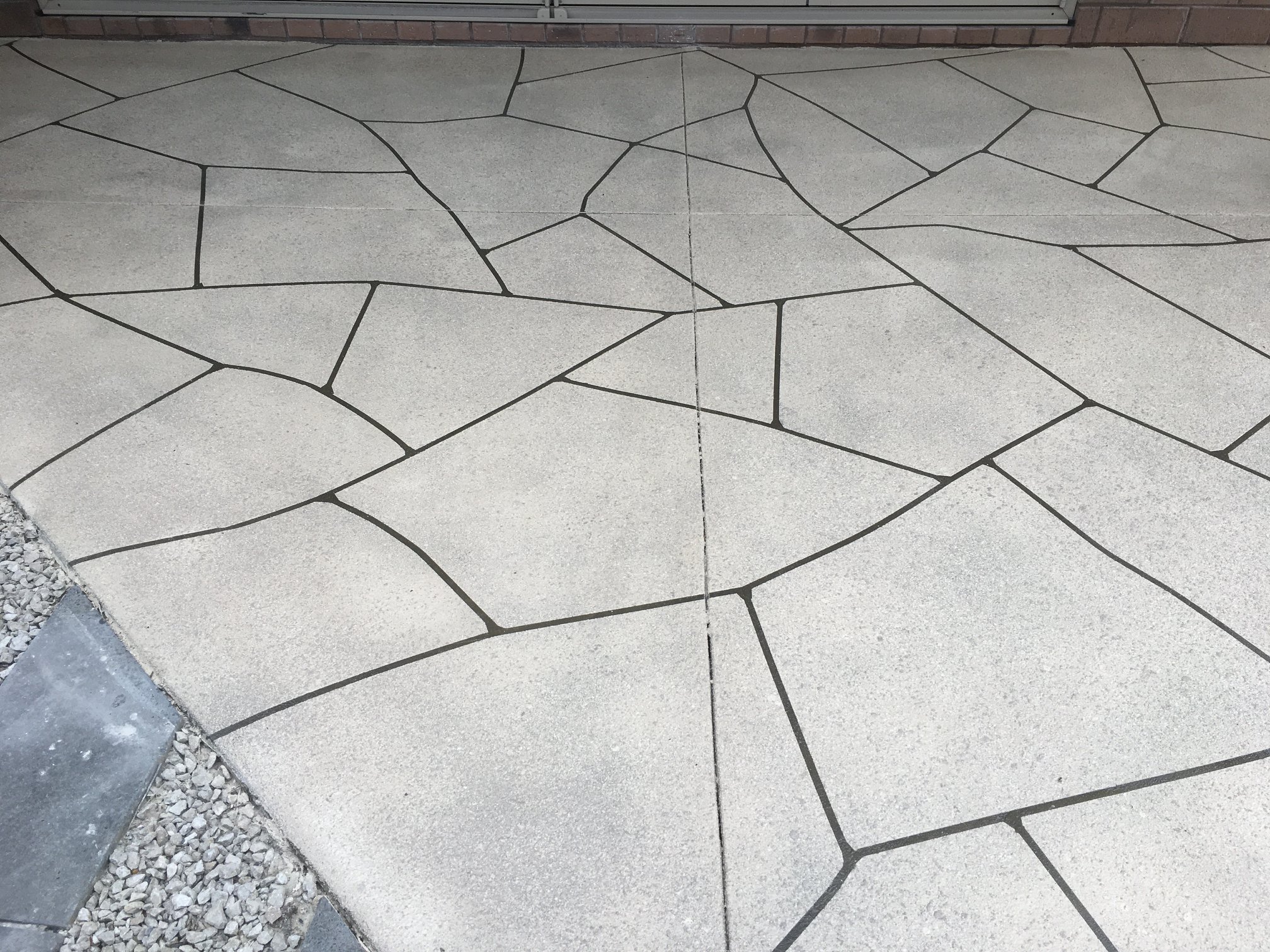
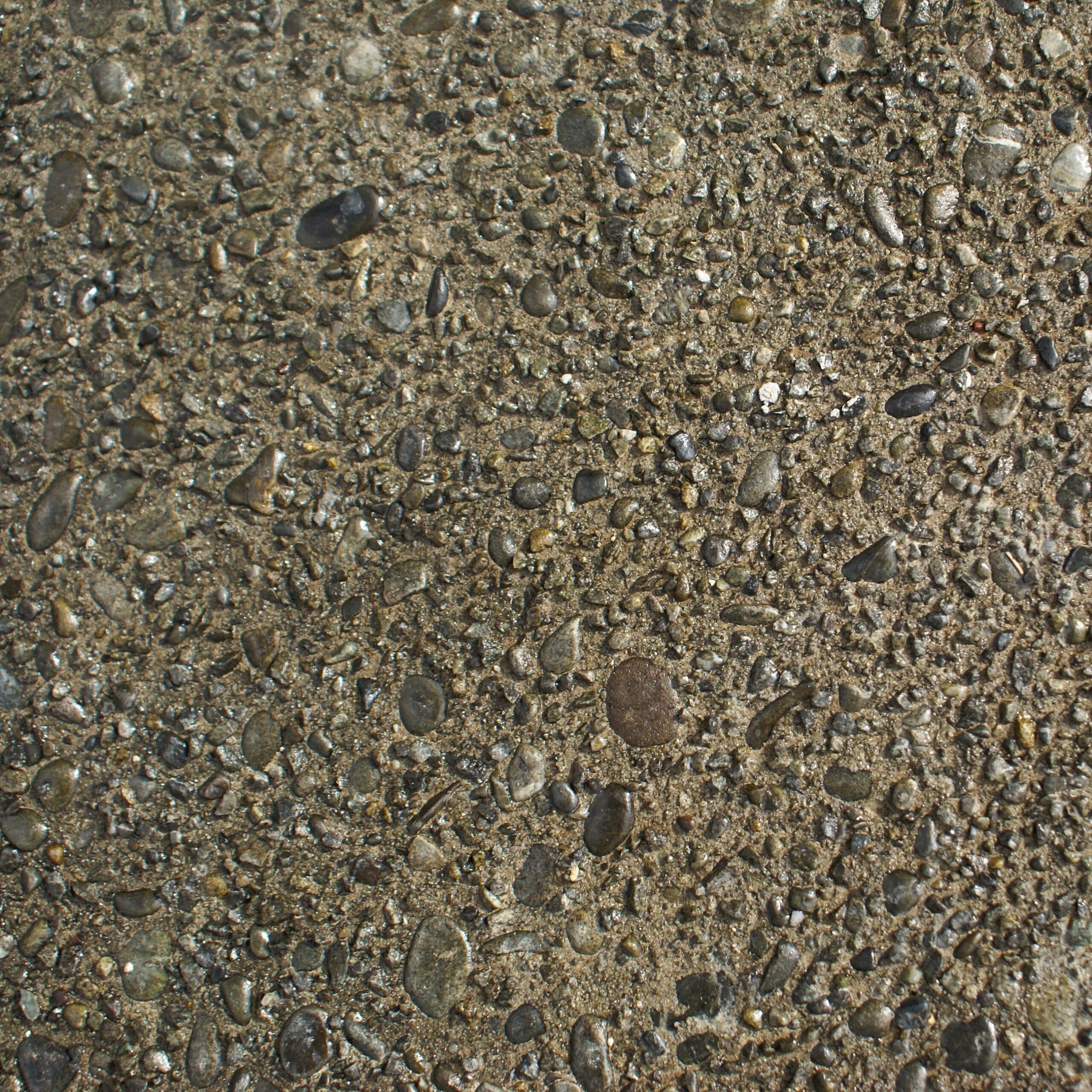
Exposed aggregate (also called washed aggregate, or pebblecrete on older homes) is concrete where the thin surface layer of cement paste is washed away the day after the pour to reveal the natural stone in the mix. On the Gold Coast it’s the most popular driveway finish for practical reasons: it grips well in summer downpours, hides tyre marks and dirt, has no surface coating to peel, and the stone itself doesn’t fade in UV.
Most Gold Coast exposed aggregate work costs roughly $120–$200 per m² installed. Stone choice, demolition, access and drainage set where your job lands in that range. A properly built slab lasts 30+ years if the sealer is refreshed every 3–5 years. Light foot traffic is usually fine after a day or two, and cars after about a week.
Why Exposed Aggregate Suits Gold Coast Conditions
Exposed aggregate wasn’t designed for the Gold Coast, but our conditions suit it unusually well. A broom finish polishes smooth under tyres within a few years. Spray-on coatings can lift and flake in UV and heat. Exposed aggregate’s grip and colour come from the stone itself, so nothing on the surface can wear away.
The honest trade-offs: it’s rougher underfoot than honed concrete, it needs resealing to keep its colour, dark stone gets hot in summer sun, and patch repairs are hard to hide. Choosing colours with heat in mind is covered in our guide to exposed aggregate colours.
Exposed Aggregate Driveways, Paths & Pool Surrounds
Planning a plain or coloured driveway instead? Our concrete driveways page covers every finish we lay.
What a Properly Specified Exposed Aggregate Quote Should Include
Two exposed aggregate quotes can differ by thousands of dollars and look identical on paper. The difference is usually what’s left out. Ask every concreter you’re comparing for these. Every OSM quote spells them out in writing.
- Concrete strength (MPa) and supplier. Close to the coast we generally recommend at least 32 MPa. Salt air is harder on concrete and the steel inside it.
- Slab thickness and reinforcement. Which mesh, and whether it sits on bar chairs. Mesh trodden into the sub-base doesn’t do its job, and mesh too close to the surface rusts through.
- Sub-base material, depth and compaction. Most cracking and sinking starts here, not in the concrete.
- Stone type, size and oxide colour, chosen together from a sample, ideally seen both wet and dry.
- Exposure depth (light, medium or heavy). It changes the look, the slip resistance and how well the stone holds.
- Wash-off timing. The retarder should be washed off the next day once the slab has gained strength. Washing too early loosens stone.
- Control joints. Where they go, and when they’re saw-cut. Late cuts are a common cause of random cracks.
- Falls and drainage. Where water goes, especially towards the garage, the house slab and the neighbours.
- Sealer type, number of coats and anti-slip additive for pool areas and slopes.
- Demolition, disposal and the council crossover, including who applies for the approval and books the inspections.
Comparing quotes? Send us the one you have, and we’ll show you what ours covers that it doesn’t.
Send Us Your QuoteCoastal Details That Decide Whether It Lasts
Salt air and steel. The Australian concrete structures standard, AS 3600, puts above-ground concrete within about 1 km of the coastline in a more severe, salt-affected exposure class than concrete 1–50 km inland. The standard’s coastal zone can also take in large expanses of salt water, such as the Broadwater. A lot of the Gold Coast’s most sought-after streets sit inside that 1 km band. A residential driveway isn’t a high-rise column, but the same chemistry applies: salt reaches the steel faster where cover is thin. So we put the mesh on chairs at the correct depth and use a stronger, denser mix.
How deep the stone is exposed. Industry guidance is that exposure depth shouldn’t go past about one-third of the stone’s diameter. Brisbane City Council’s own standard drawing for exposed aggregate paths calls for each stone to stay embedded by 60–80% of its size. Push past that for extra drama and the stone starts popping out within a few years. Aggressive acid washing in later years removes paste and has the same effect.
Weather on pour day. Summer heat speeds up setting, and afternoon storms can wash retarder off a fresh slab. We schedule exposed aggregate pours for early starts, watch the radar, and keep covers on site. A blotchy, uneven exposure usually comes down to the weather and timing on pour day.
Slip resistance around pools. Standards Australia’s slip-resistance handbook, SA HB 198, recommends a minimum P4 wet-pendulum rating (or Class B barefoot) for pool surrounds, and P5 for ramps and steps leading into the water. Exposed aggregate can meet that comfortably, but a glossy film-forming sealer can drag it down. Around pools we use a finer stone and add anti-slip grit to the sealer.
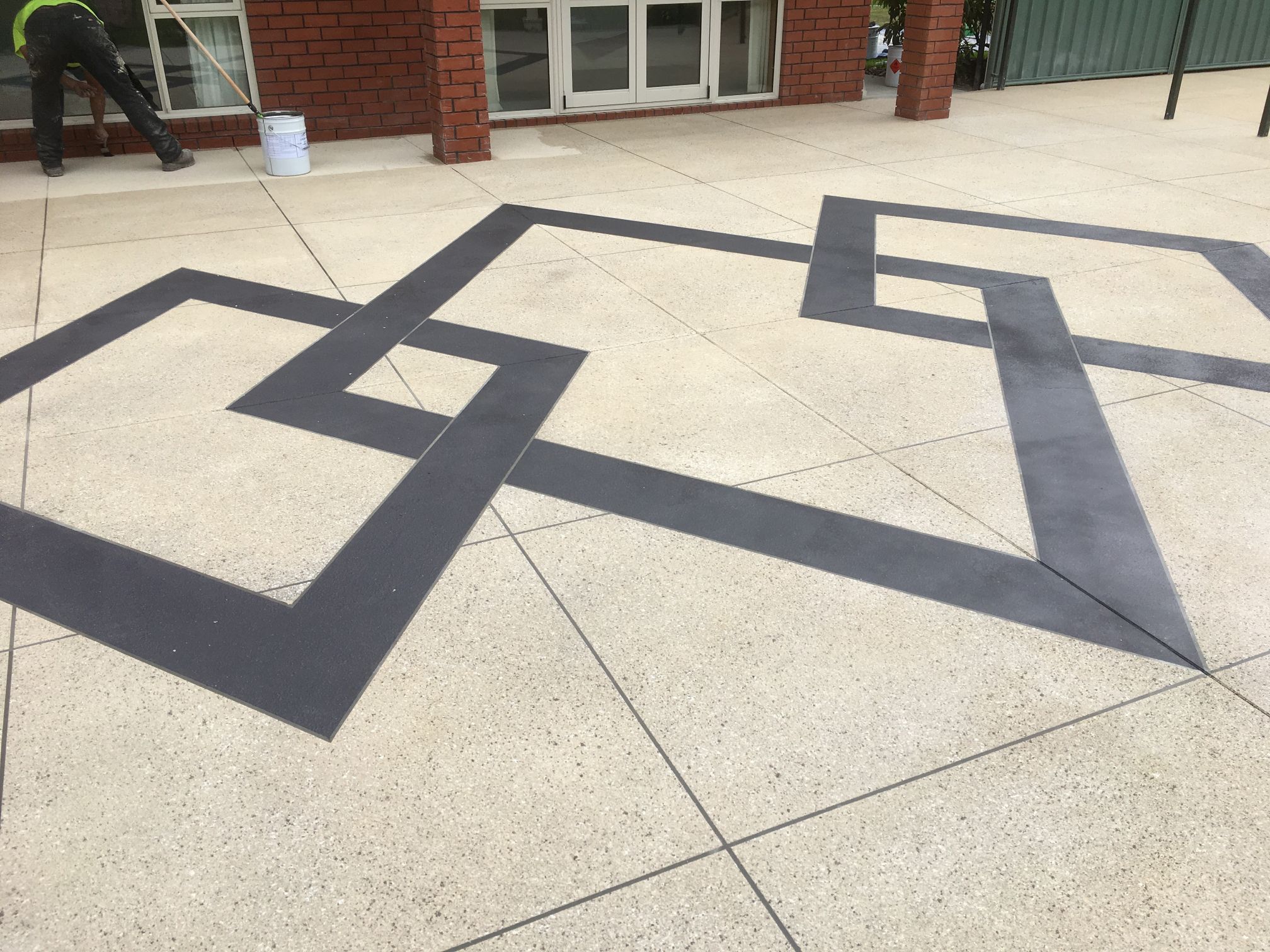
How an OSM Exposed Aggregate Job Runs
Send photos and rough measurements for a ballpark. Then we measure on site, check levels, falls and access, and bring stone samples.
A fixed written quote with the full specification. If the crossover is included, we arrange the City of Gold Coast approval and the pre-pour inspection.
Removal and disposal, sub-base, formwork and mesh on chairs. Then the pour, finishing and an even coat of retarder.
Next-day wash-off and early saw-cut joints. Then an acid etch and seal once the concrete has cured, and a walk-through with you at handover.
How Much Does Exposed Aggregate Cost on the Gold Coast?
Most residential exposed aggregate on the Gold Coast falls somewhere around $120–$200 per square metre supplied, laid and sealed. As a guide, a typical 60 m² double driveway replacement often lands around $8,000–$13,000 including demolition. A council crossover, retaining, extra drainage or difficult access can push it higher. These are what move the price:
| Factor | Lower cost | Higher cost |
|---|---|---|
| Size | Larger areas, since setup is spread over more m² | Small paths and pads, where minimum charges apply |
| Existing surface | Bare ground or turf | Old concrete or pavers to break out and dispose of |
| Access | Truck can discharge straight into the formwork | Tight side access, high-rise or narrow streets that need a pump or barrows |
| Stone & colour | Standard local blends with natural grey cement | Premium or imported stone, oxide colours, mixed borders |
| Ground & drainage | Firm, well-drained ground and simple falls | Soft ground, extra sub-base, strip drains or retaining |
| Crossover | Existing crossover stays as is | New or widened crossover needing council approval and inspections |
Replacing a failed exposed aggregate driveway in Elanora
When an existing exposed aggregate driveway has moved, cracked through or lost its stone, restoring it won’t fix it. See how we handled a full exposed aggregate replacement in Elanora, from breaking out the old slab to sealing the new one.
Is OSM the Right Fit for Your Exposed Aggregate Job?
- A new or replacement exposed aggregate driveway, path or pool surround
- A written specification you can compare line by line
- The council crossover handled as part of the job
- Strata or commercial work staged around residents or trading hours
- A crew that does council and theme-park work, on your home
- Your existing exposed aggregate is sound and just looks tired. You may only need restoring: read can you resurface exposed aggregate? first
- You want a smooth, polished indoor floor. That’s a grind-and-polish specialist’s job
- The job is outside the Gold Coast and surrounding region
“OSM Concrete delivered extreme quality work with excellent communication and competitive pricing… after a previous company’s failed work, Cory and his team got it right.”Gold Coast homeowner, Google review
Exposed Aggregate Across the Gold Coast
We lay exposed aggregate from the northern growth suburbs to the southern beaches. Local conditions change what we recommend:
Every property is within reach of salt spray. We use denser mixes, keep the steel properly covered, reseal more often, and plan access carefully on tight streets. More on concreting in Main Beach.
Sloping blocks and beachside homes, where grip, drainage falls and lighter, cooler stone colours matter most. See our Burleigh Heads work.
Larger homes and estates with long driveways and matching paths, where consistent stone across a big pour is the challenge.
Mudgeeraba, Tallebudgera and Worongary: steep and rural driveways, where sub-base, drainage and joint layout matter more than the finish.
Exposed Aggregate FAQs
How much does exposed aggregate cost per m² on the Gold Coast?
Most residential exposed aggregate on the Gold Coast costs roughly $120–$200 per square metre supplied, laid and sealed. Where a job lands depends on size, demolition, access, stone choice and drainage. A typical 60 m² double driveway replacement often comes in around $8,000–$13,000. We give a fixed written quote after a site visit.
How long before I can drive on a new exposed aggregate driveway?
Foot traffic is usually fine after 24–48 hours, and cars after about seven days. Heavy vehicles such as removal trucks, caravans or skip bins should wait longer. Cool or wet weather slows curing, so we confirm timing at handover.
Does exposed aggregate need sealing, and how often?
Yes. Sealing protects the surface and brings back the stone’s wet-look colour. On the Gold Coast most exposed aggregate needs resealing every 3–5 years, and sooner on beachfront properties, around pools and on high-traffic driveways. Our guide to resealing a concrete driveway explains the sealer types.
Is exposed aggregate slippery around a pool?
Not if it’s specified correctly. SA HB 198 recommends a minimum P4 wet-pendulum rating for pool surrounds and P5 for ramps and steps into the water. Exposed aggregate with a finer stone and an anti-slip additive in the sealer can meet that. A thick, glossy sealer is what usually makes it slippery.
Do I need council approval for an exposed aggregate driveway?
The driveway inside your boundary generally doesn’t need one. The vehicular crossing between your boundary and the kerb does need City of Gold Coast approval, and the City requires a pre-pour and a post-pour inspection. We can arrange both as part of the job. Check the City’s driveways and vehicular crossings requirements for the current rules.
How long does an exposed aggregate driveway last?
A properly built exposed aggregate driveway should last 30 years or more. Its life depends far more on the sub-base, the reinforcement position and the joints than on the finish. The sealer is the part that wears and needs refreshing.
Can you lay exposed aggregate over my existing concrete?
Sometimes, but it raises the surface level, which can cause problems at the garage door, the crossover and drainage. If your existing exposed aggregate is sound and just looks tired, cleaning, repairing and resealing is usually the better value. Our guide on whether you can resurface exposed aggregate covers every option.
Can new exposed aggregate match my existing driveway?
We can get close by matching the stone blend, size and oxide colour. Some difference between old and new is normal, because quarry batches vary and the old surface has weathered. For a seamless result, it’s often better to replace a whole visible section rather than patch it.
Get a Clear Price on Your Exposed Aggregate Job
Send us a few photos and we’ll come back with a ballpark price and the questions that matter for your site. To speed things up, include:
- A wide shot of the area, plus one from the street
- Rough length and width, or a sketch
- Your suburb, and whether old concrete or pavers need removing
- Whether the council crossover is included
Monday to Friday, 8am–4pm · Parkwood, Gold Coast QLD 4214 · 5.0★ Google rating from 74 reviews